
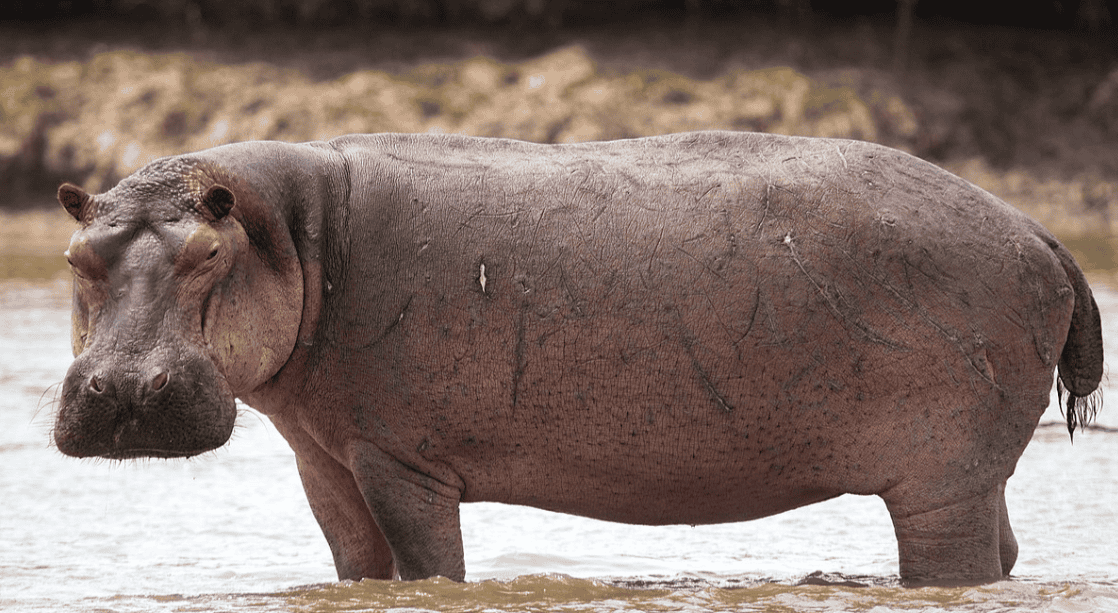
The Hippopotamus: The river horse of Africa
Hippo hunting Safaris with Graham Sales Safaris.
The name Hippopotamus is derived from the Greek words hippo, meaning horse, and potamus, meaning river, aptly describing this “horse of the river.” While early Dutch settlers at the Cape referred to them as Seekoei or “sea cow,” modern science has revealed they are surprisingly more closely related to dolphins and porpoises than to pigs.
As a premier African Safari Outfitter, we know that an African Hippo hunt is a true test of nerves. Despite being herbivores, the common Hippopotamus (Hippopotamus amphibius) is credited with killing more people in Africa than any of the Big Five.
Understanding the species
There are two species of Hippopotamus found on the African mainland:
Common Hippopotamus (Hippopotamus amphibius):
The common hippo thrives in rivers and wetlands, feeding mainly on grasses and playing a vital role in maintaining healthy ecosystems.
Pygmy Hippopotamus (Choeropsis liberiensis):
A much smaller species characterized by a shorter snout and a more forest-adapted lifestyle.
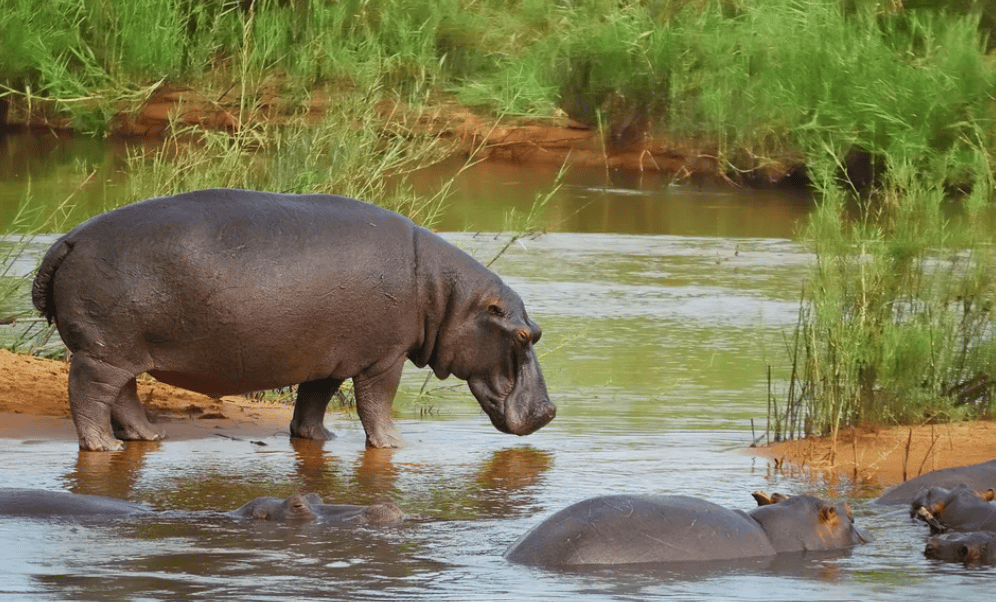
Recognized Common Hippopotamus Subspecies
Cape or Southern Hippopotamus (Hippopotamus amphibius capensis):
Found in South Africa, Botswana, Zimbabwe, and Mozambique.
East African Hippopotamus (Hippopotamus amphibius kiboko):
Occurs in Kenya, Tanzania, and eastern D.R.C.
Great Northern or Nile Hippopotamus (Hippopotamus amphibius amphibius):
Distributed from the Nile into Ethiopia and Sudan.
Angolan Hippopotamus (Hippopotamus amphibius constrictus):
Found in Angola, Namibia, and western Zambia.
West African Hippopotamus (Hippopotamus amphibius tschadensis):
Occurs in Chad, Niger, and northern Nigeria.
At Graham Sales Safaris, our guided big game hunts target mature bulls in free-range environments, ensuring a sustainable and ethical harvest that supports local conservation efforts.
Planning your Hippo hunt: Logistics & success
Shot Placement by Graham Sales
Precision is everything in an African Hippo hunt. Whether the animal is on land or in the water, Graham Sales Safaris emphasizes the brain shot to ensure an instantaneous and ethical kill. On land, a heart/lung shot can also be highly effective, provided the animal is far enough from the water to prevent escape.


