Hunt classic plains game in true wilderness Safari areas with the leading Safari Outfitter in Southern Africa - Graham Sales of Graham Sales Safaris
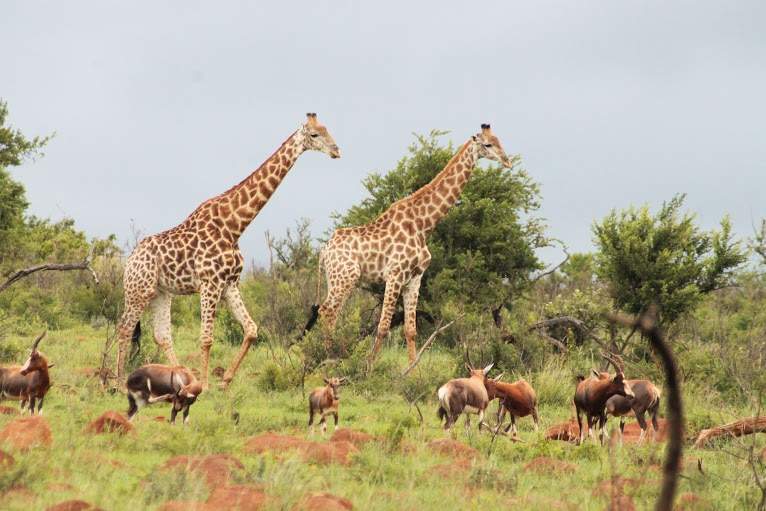
Graham Sales Safaris (GSS) provides an unparalleled African hunting experience for both seasoned and novice hunters. With exclusive hunting rights to Government Nature Reserves and free-range, carefully managed Safari areas, Graham Sales Safaris offers opportunities to pursue a wide variety of trophy plains game species in a distinguished setting.
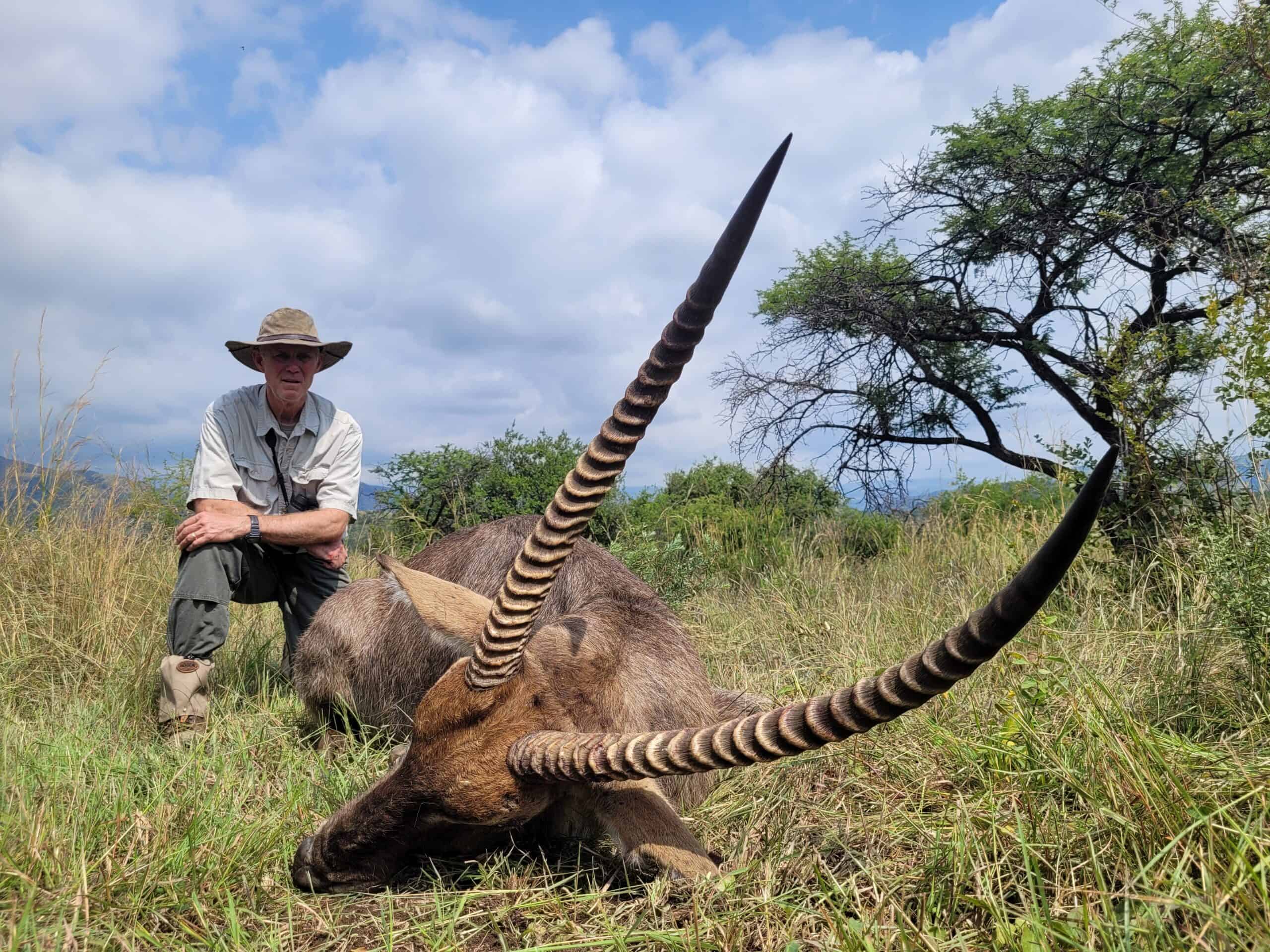
Whether you’re after a majestic Greater Kudu or Nyala, Sable or Roan Antelope a rugged Mountain Reedbuck or Common Reedbuck, huge Cape or Livingstone’s Eland, Burchell’s or Hartmann’s Zebra, Waterbuck, Black or Blue Wildebeest, Red Hartebeest or a striking Golden or King’s Wildebeest, your plains game Safari with Graham Sales Safaris is rooted in tradition, ethical hunting, and deep expertise.
Why choose Graham Sales Safaris?
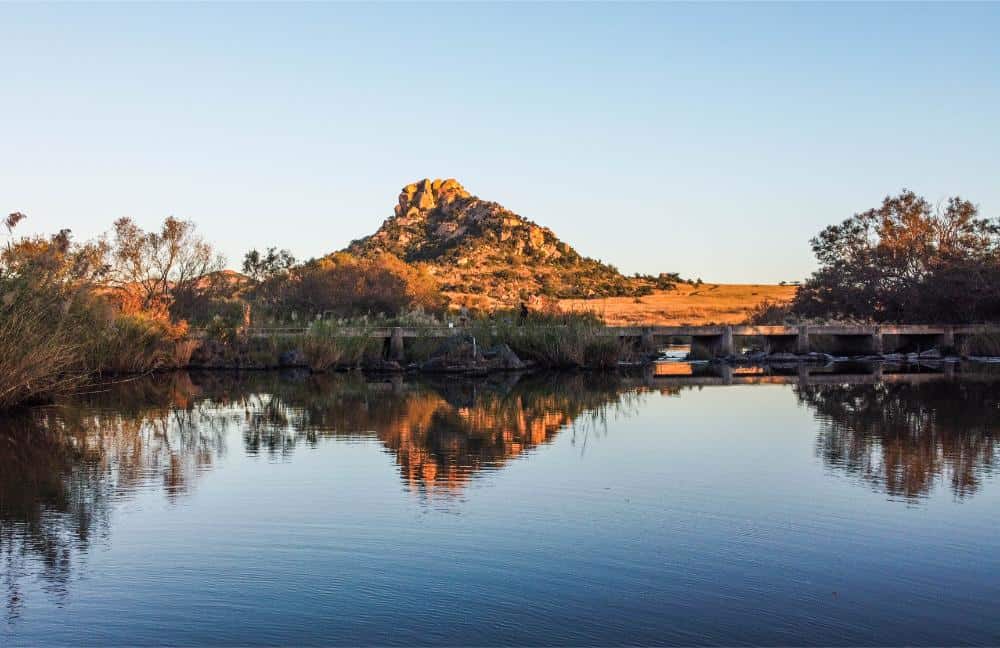
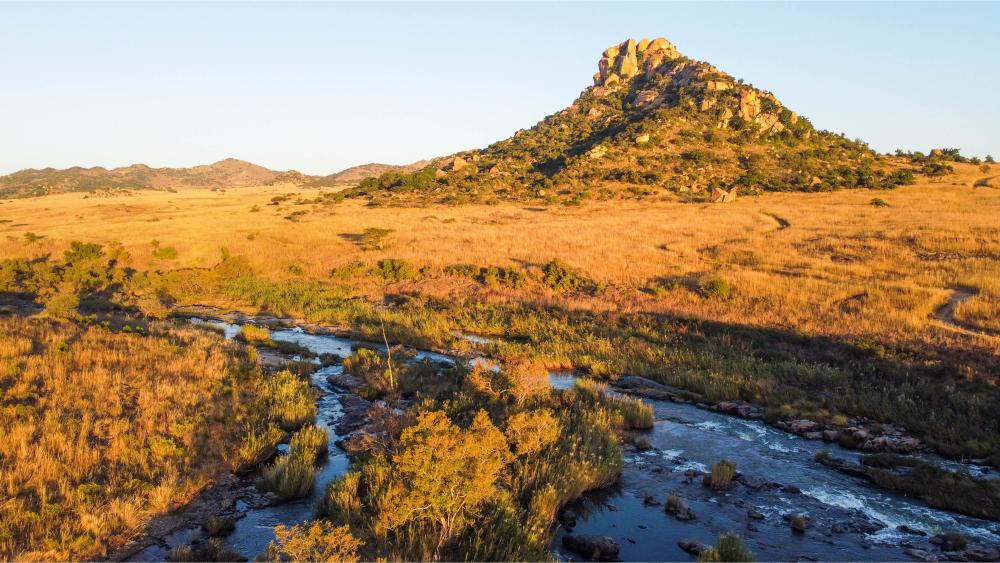
Exclusive hunting rights to South Africa’s largest Provincial Nature Reserve as well as South Africa’s most pristine game rich, well managed Safari areas.
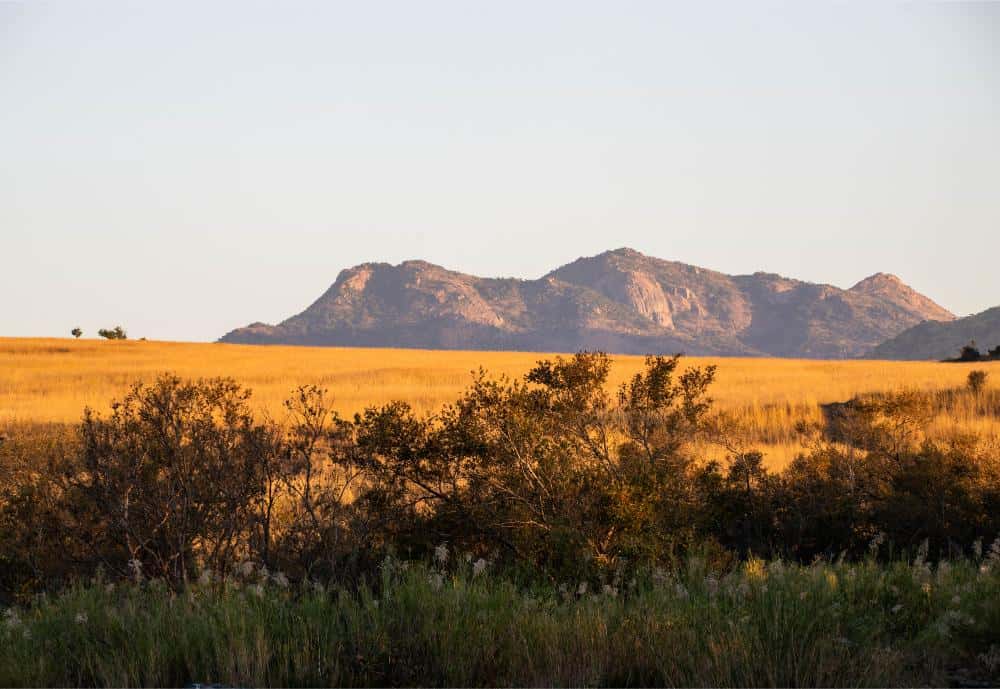
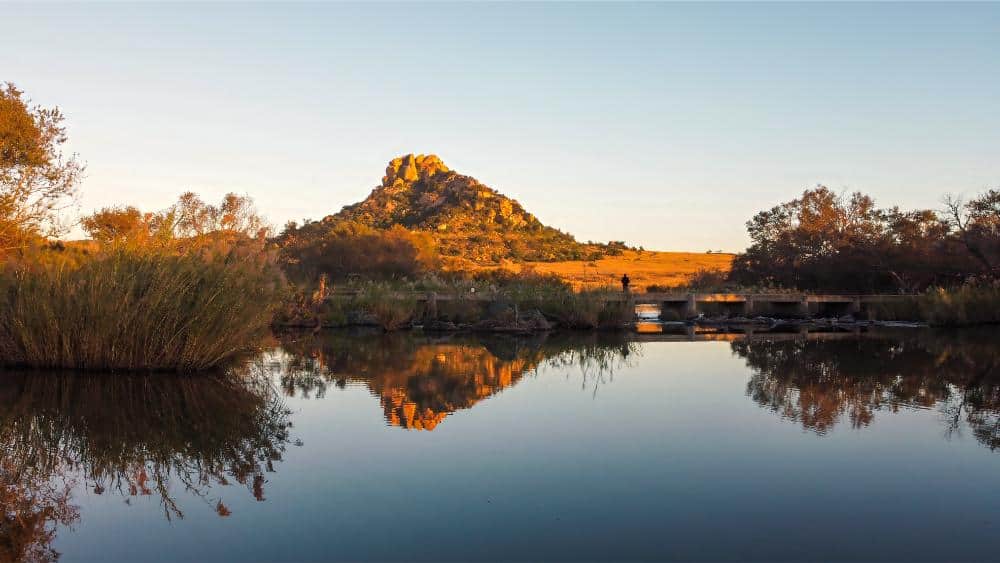
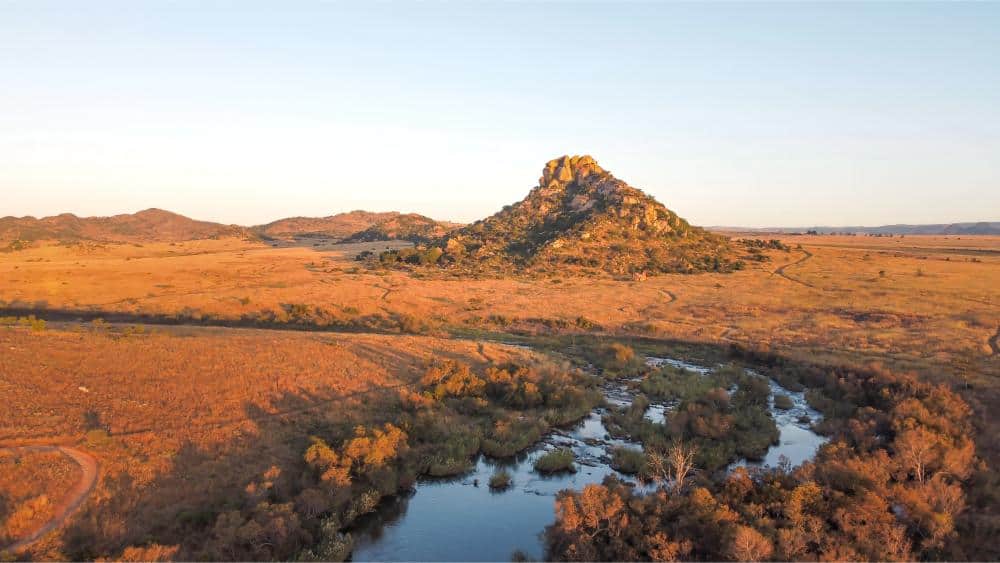
GSS operates in well-managed Government Nature Reserves (exclusive hunting rights) and private Safari concessions. These true wilderness areas feature diverse terrain – from bushveld to open plains – providing ideal conditions and hunting opportunities for over 28 iconic African species. These regions and areas are carefully conserved, besides ensuring sustainable populations, and trophy quality animals the Safari experience is unmatched.
Old, trophy animals - Ethically hunted
At GSS, conservation is key. We focus exclusively on harvesting old bulls/rams past their breeding prime, supporting herd health and long-term species sustainability. This approach also ensures that our clients take home truly impressive trophies that reflect the majesty of the species and the challenge of the hunt as well as the whole Safari experience.
Unrivalled expertise in color variant Plains Game hunting
Looking to expand your collection with unique color variant species? GSS leads the industry in this highly specialized area of plains game hunting.
We offer the following species on private land:
- Golden Wildebeest, King’s Wildebeest, Royal Wildebeest
- Golden Gemsbok, Red Gemsbok, and Painted Gemsbok
- Black Impala, Saddleback Impala, and White-Flanked Impala
- All Springbok variants: Black Springbok, White Springbok, Golden Springbok, Blue Springbok, Coffee Springbok, and Common / Typical Springbok
These rare species are managed in highly controlled ecosystems to maintain genetic quality and provide elite trophy opportunities.

Professional Hunters, camp & field staff and logistics - second to none
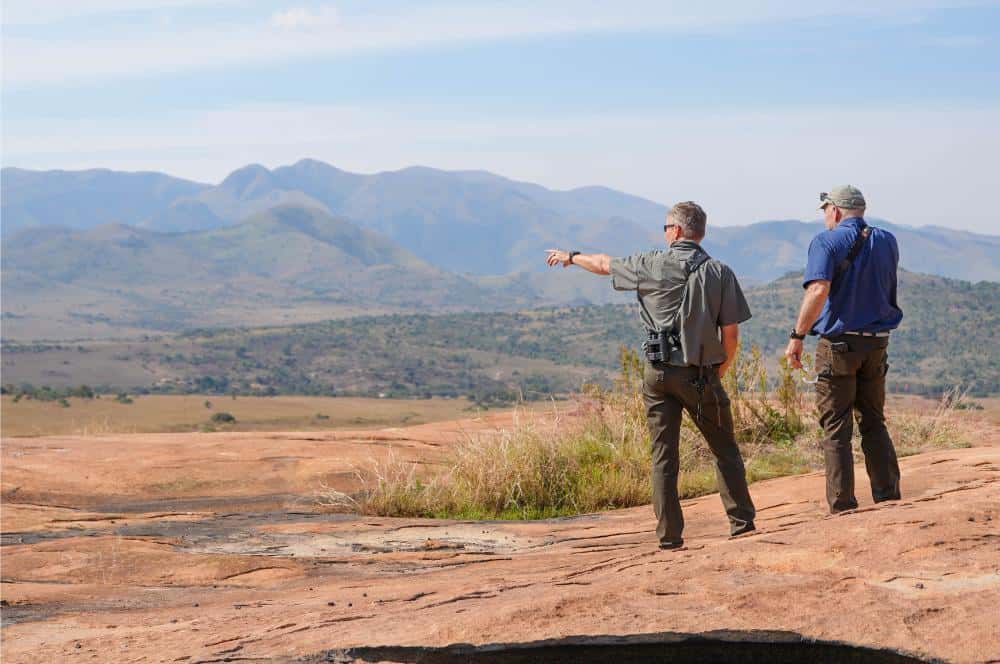
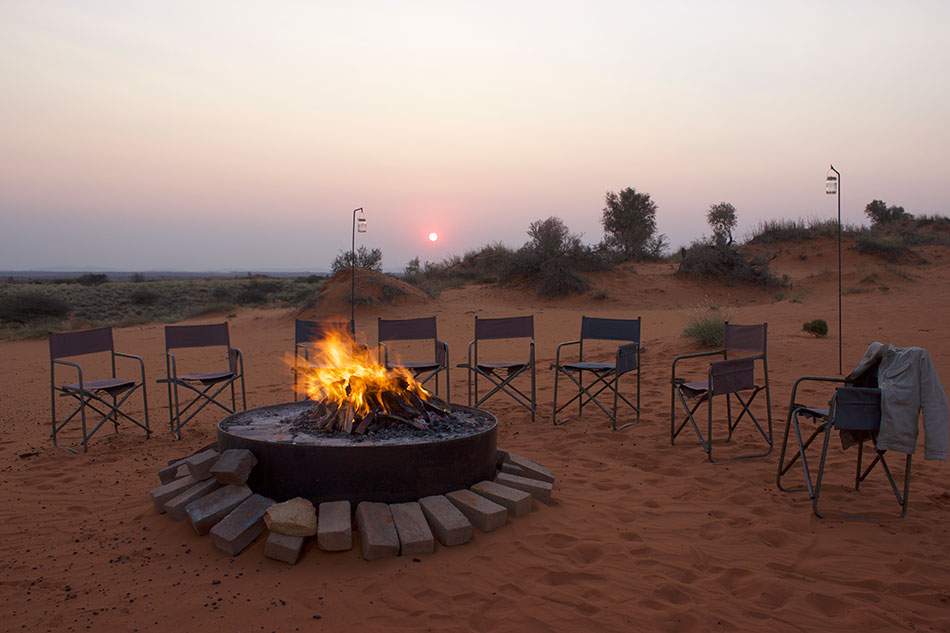
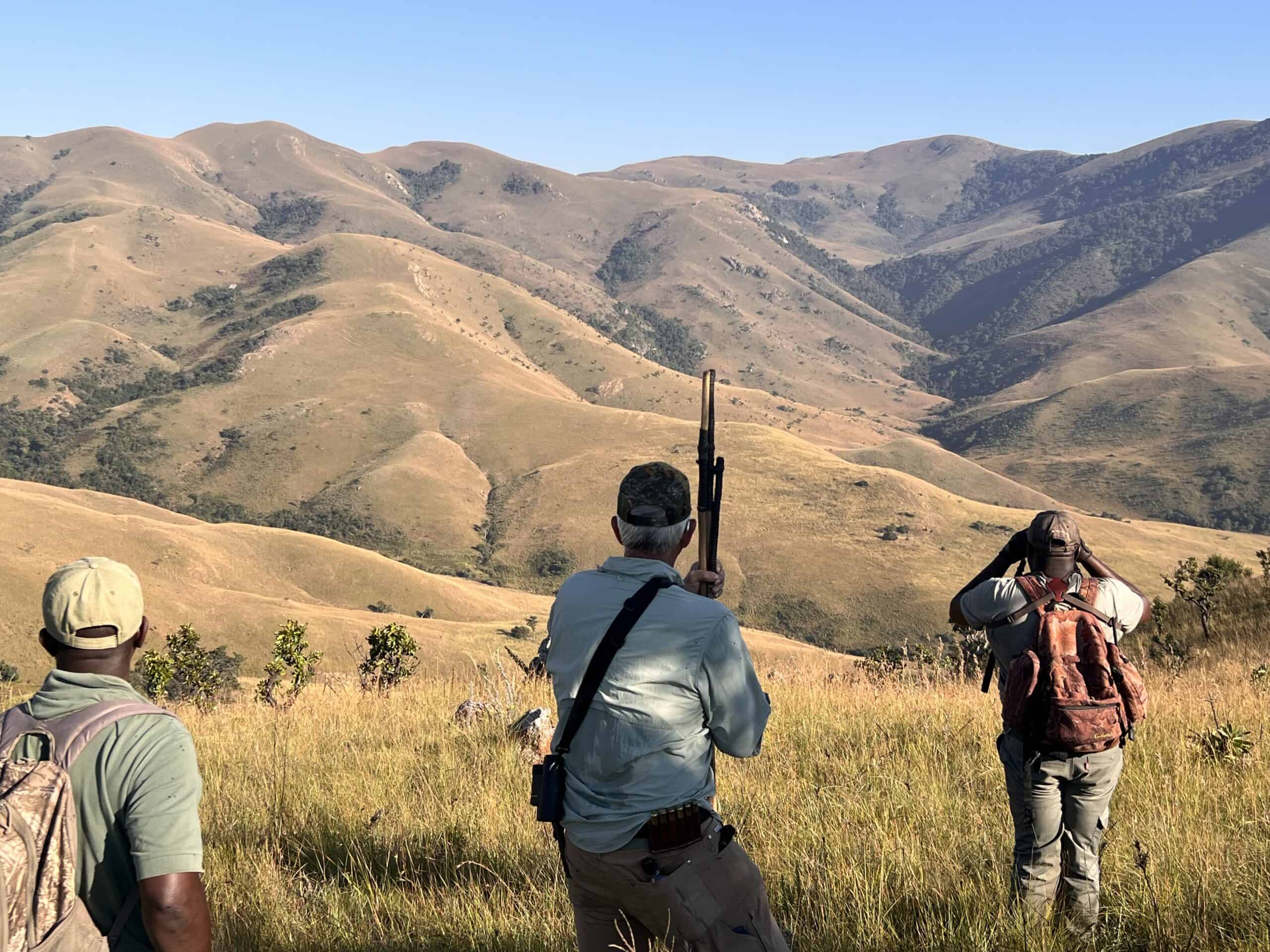
Our team of seasoned Professional Hunters (PHs) are experienced men, and our camp and field staff (Trackers/ drives and skinners) are experts in the Safari industry to say the least. Every detail is covered – from running a Safari camp, conversations around the campfire and on the back of the Land Cruiser Safari vehicle to enjoying the Safari with our clients, your Safari with Graham Sales Safaris will be a Safari experience. And in our traditional Safari camps / Thatched Safaris lodges or tented Safari camps, personalized service is priority and smooth logistics so you can expect a Safari experience and not just a hunt….
Plan your classic Plains Game Safari today
Graham Sales Safaris stands as a trusted name among international hunters seeking a free-range, high-quality Safari in Southern Africa’s most game-rich wilderness areas.
Whether you’re a first-time visitor or returning client, you’ll appreciate our commitment to:
- Utmost respect for our wildlife and especially the animals we harvest
- Ethical hunting practices
- Mature trophy animals
- Exclusivity while being in camp and our Safari area
- True African wilderness experiences
Frequently Asked Questions
South Africa is very easy to access and get into. Most international flights fly into Johannesburg or Cape Town. It’s easy to stay over for the night and then take a connecting flight the next day to an airport closer to the safari or hunting area.
South Africa has an abundance of plains game, largely due to land being privately owned and the game industry in the country. Game has a lot of value, and that’s why landowners put land aside and look after these animals. That’s the bottom line.
We at Graham Sales Safaris hunt on very large safari areas or nature reserves. These nature reserves or large safari areas offer a free-range safari experience, or very close to it, when you’re hunting in an area of 50, 60, 70 or 80,000 up to 160,000 acres in South Africa and up to 1,000,000 acres in Mozambique.
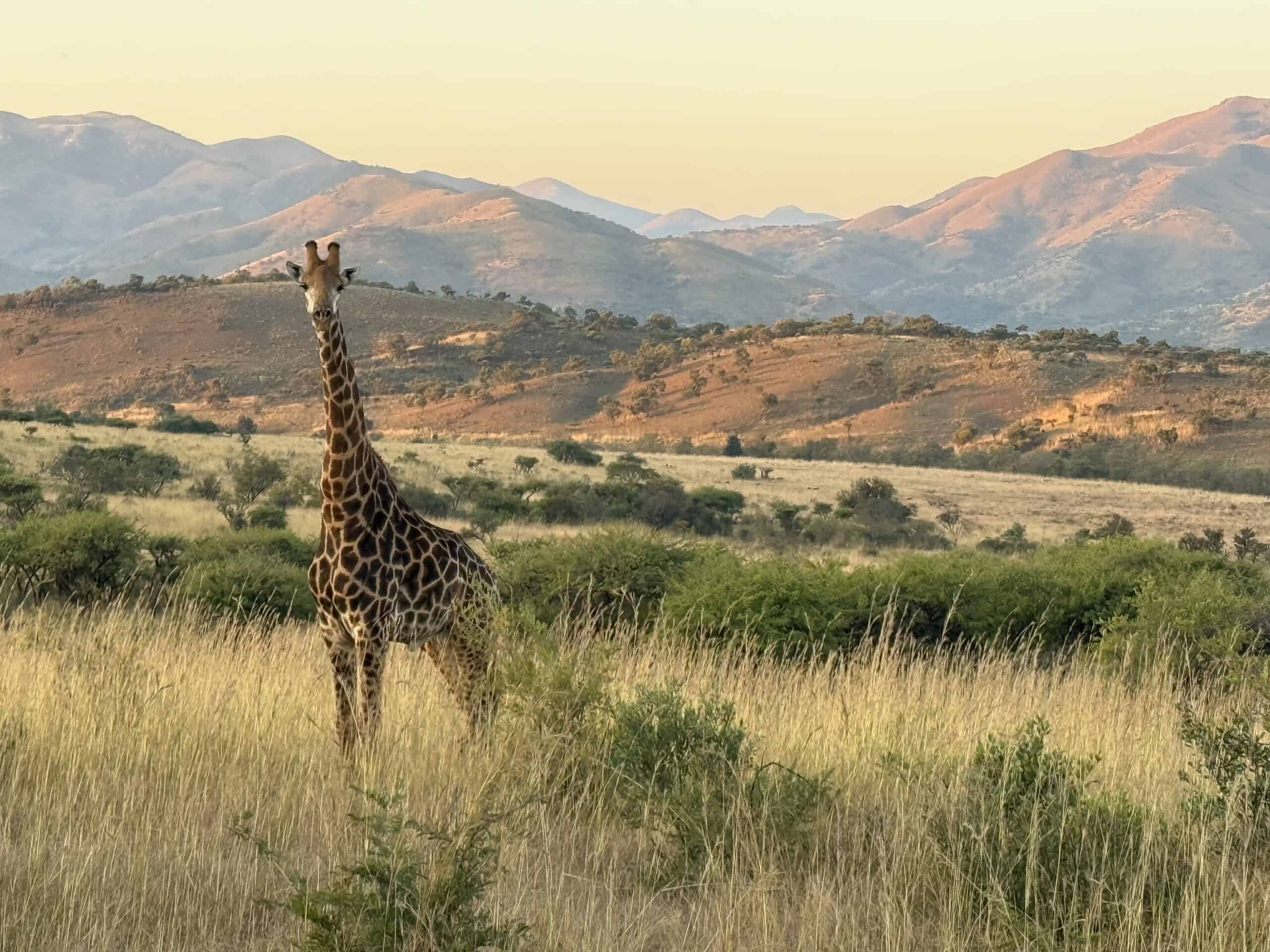
South Africa also has a huge variety of landscapes. If you look at the coastal area of KwaZulu-Natal, there’s a lot of Nyala. It’s home to Nyala, Rhino, very good Kudu, Common Reedbuck, a lot of Warthog, and your general plains game species like wildebeest, Zebra, Impala, Waterbuck and Giraffe.
Then you have the Limpopo area. There’s a huge variety of game up there, a little bit drier in Limpopo, from Klipspringer, Limpopo Bushbuck, Livingstone’s Eland to Southern greater Kudu and most general plains game in between.
And then our Northern Cape, which is also one of our prime safari locations, with a huge variety of species, from Springbuck to Cape Eland.
The Eastern Cape is where we’ll look more at the smaller species, like Mountain reedbuck, Vaal reedbuck, Blue duiker, Caracal, East Cape Kudu, Cape Grysbok and Cape Bushbuck.
So that’s why South Africa is considered probably the best country for a quality plains game safari. There’s a huge variety of species. It’s a safe country, a beautiful country, and it has an abundance of wildlife.
There’s quite a lot of controversy regarding what makes a trophy-quality animal. I know there are record books and things like that, but in my opinion, an old animal is a trophy animal.
I say this quite often around the campfire. Hunting an old animal, say an old kudu bull, 11, 12 or 13 years old, you can just see that the horns have been worn. It is just a privilege to hunt such an old animal.
Take Kudu and Impala, for example. We’ve hunted some of the most beautiful impala that aren’t even hitting the 20-inch mark. But if you look at the horns on those animals, they are smooth and worn, beautiful.
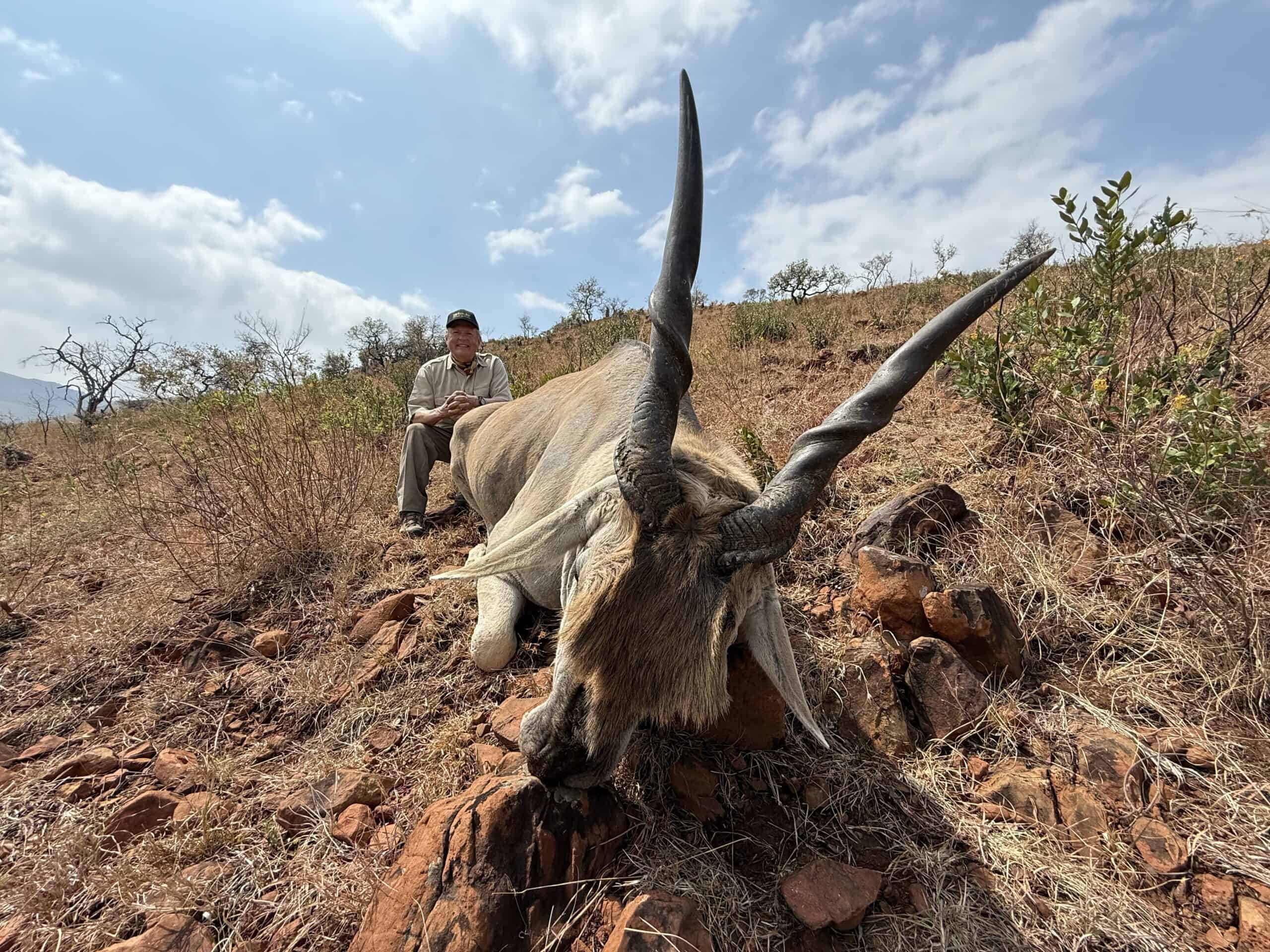
It’s the same with Eland. An old Eland bull has horns that are so worn. It has a lot of hair on its face, and you can see the signs of an old animal starting to lose hair in certain areas of the body.
With Wildebeest, we’ve hunted some old wildebeest that you actually feel sorry for because the animal is so old. I’m saying that in a laughing way, but they are magnificent, magnificent old animals.
If one hunts a quality area, then there will be old animals. I’m not talking about a small area of 1,000, 2,000 or 3,000 acres where your options are very limited. If the area is large enough — 50, 60,000 acres, 100,000 acres, 150,000 acres — there will be old animals in there. If it’s well managed and not everything, including all the trophy animals, gets hunted every year, there will be old animals. Exceptional old animals.
So, to get to the point, what makes a trophy animal? The way it is hunted, if it’s hunted in an ethical way, and the age of the animal, an old animal makes a trophy animal.
Size plays a very important role, but to me, age is the first factor or criteria I would look at when hunting an animal. And that goes for all species.